Stage 1
+100 Nmdiesel, up to
+60 Nmpetrol, up to
Needs
- A standard car in good health
- A clean scan with no stored faults
- 95 octane for most maps
A performance workshop in Nooitgedaght, Roodepoort. We service daily drivers and bakkies, write ECU maps for the parts that are actually on the car, and TIG-weld the parts that move it on: downpipes, manifolds, intakes and boost pipes.
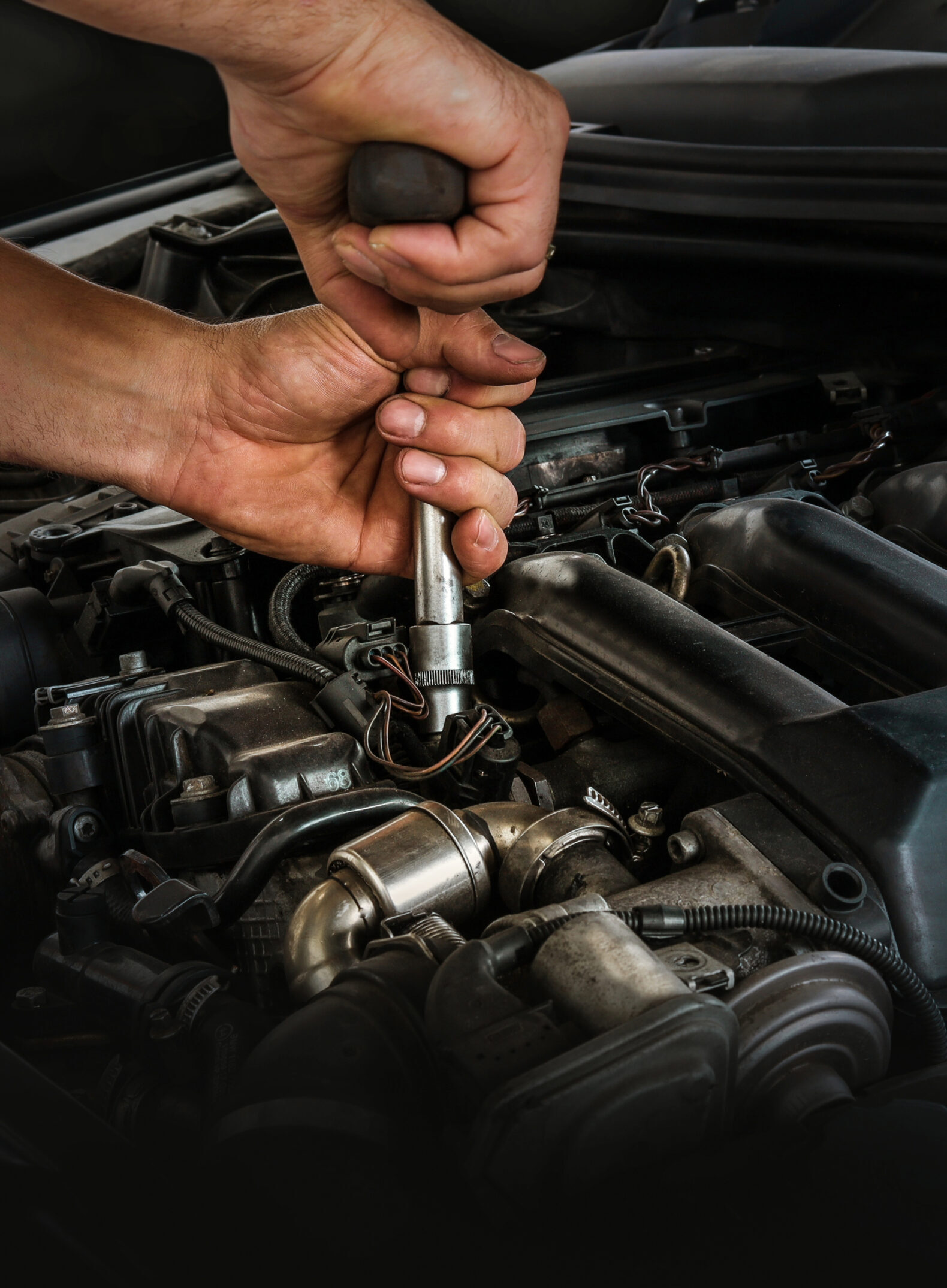
The service, the map and the part are all done in the same workshop. Nobody guesses what the other person fitted.
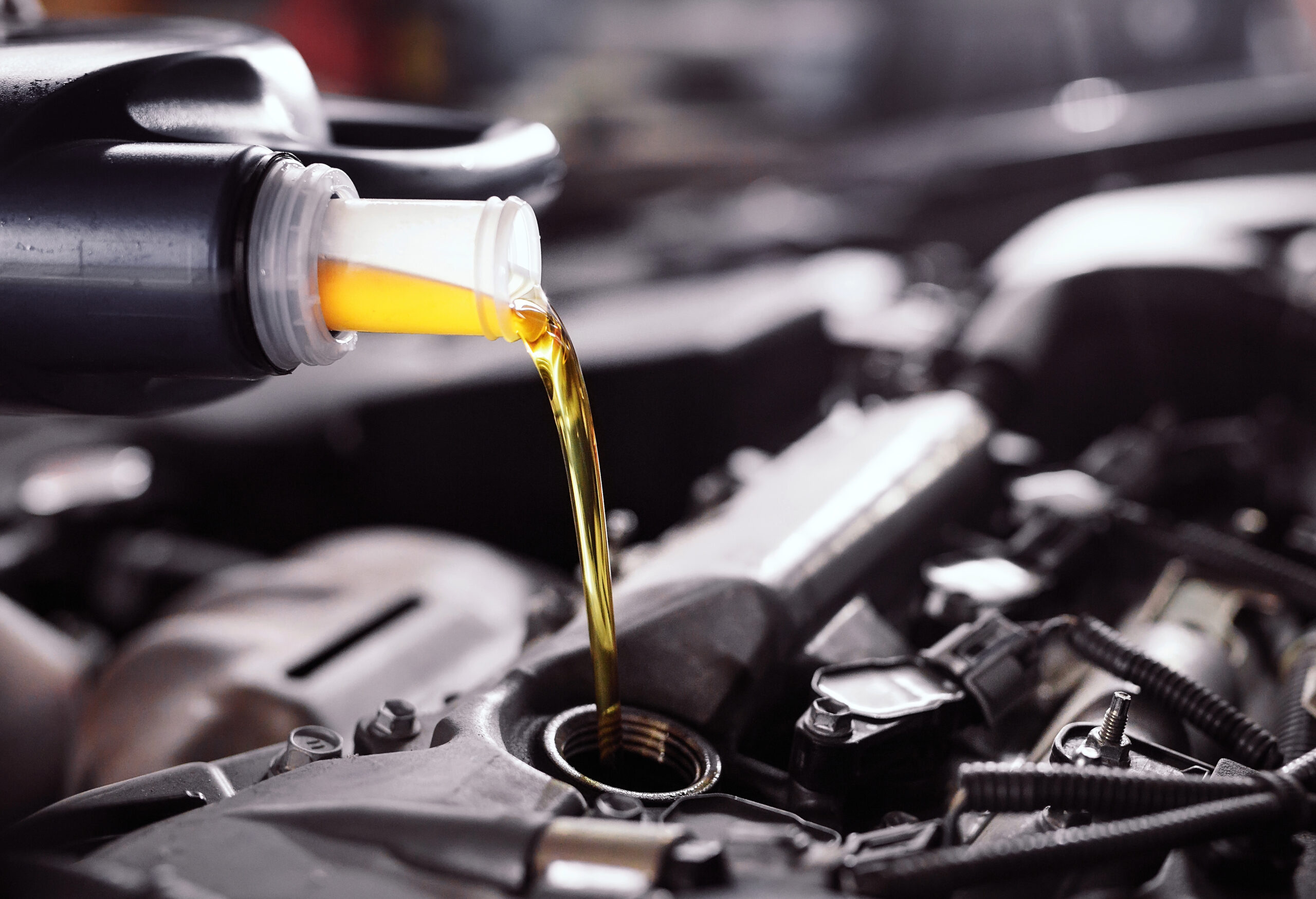
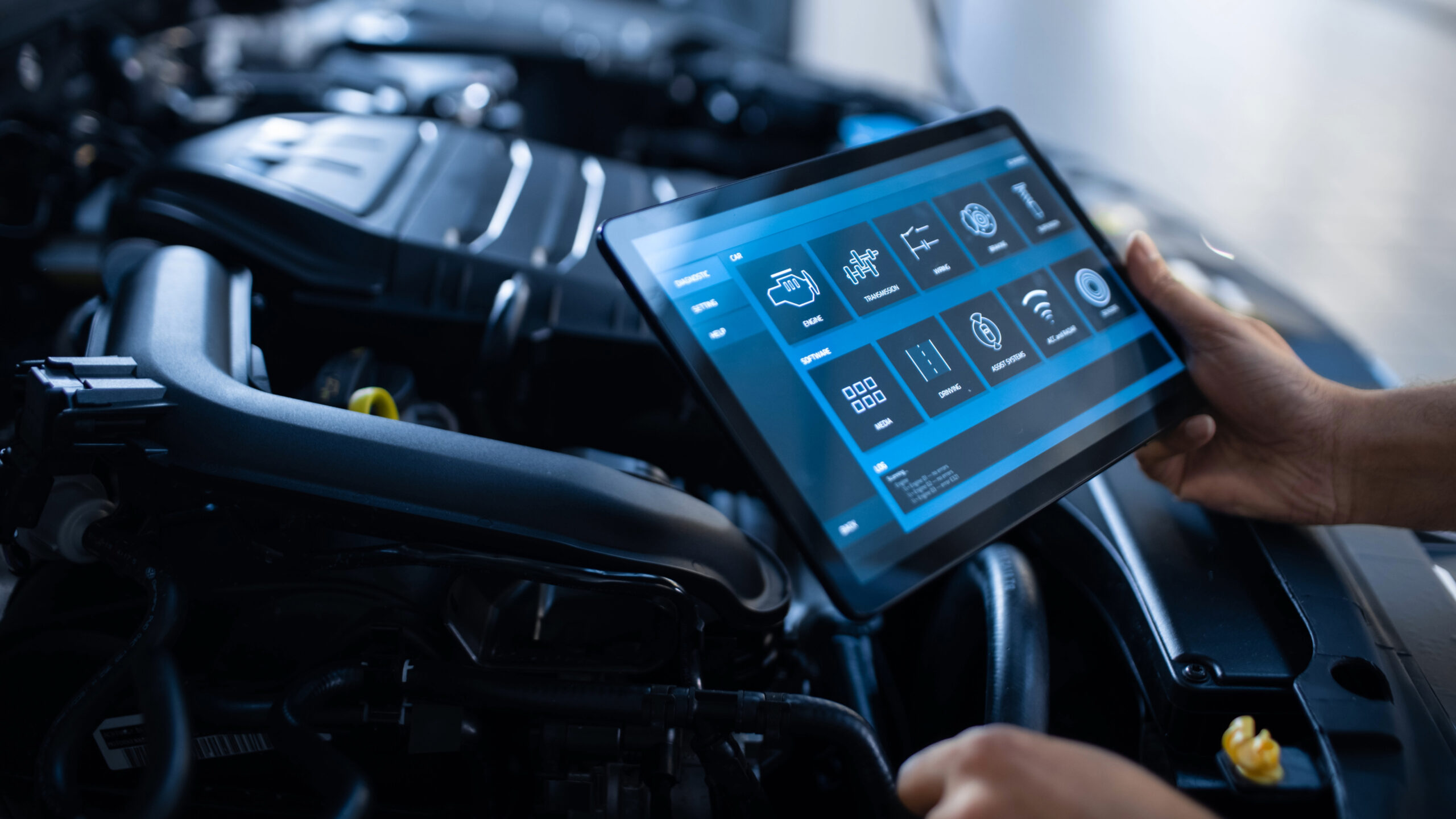
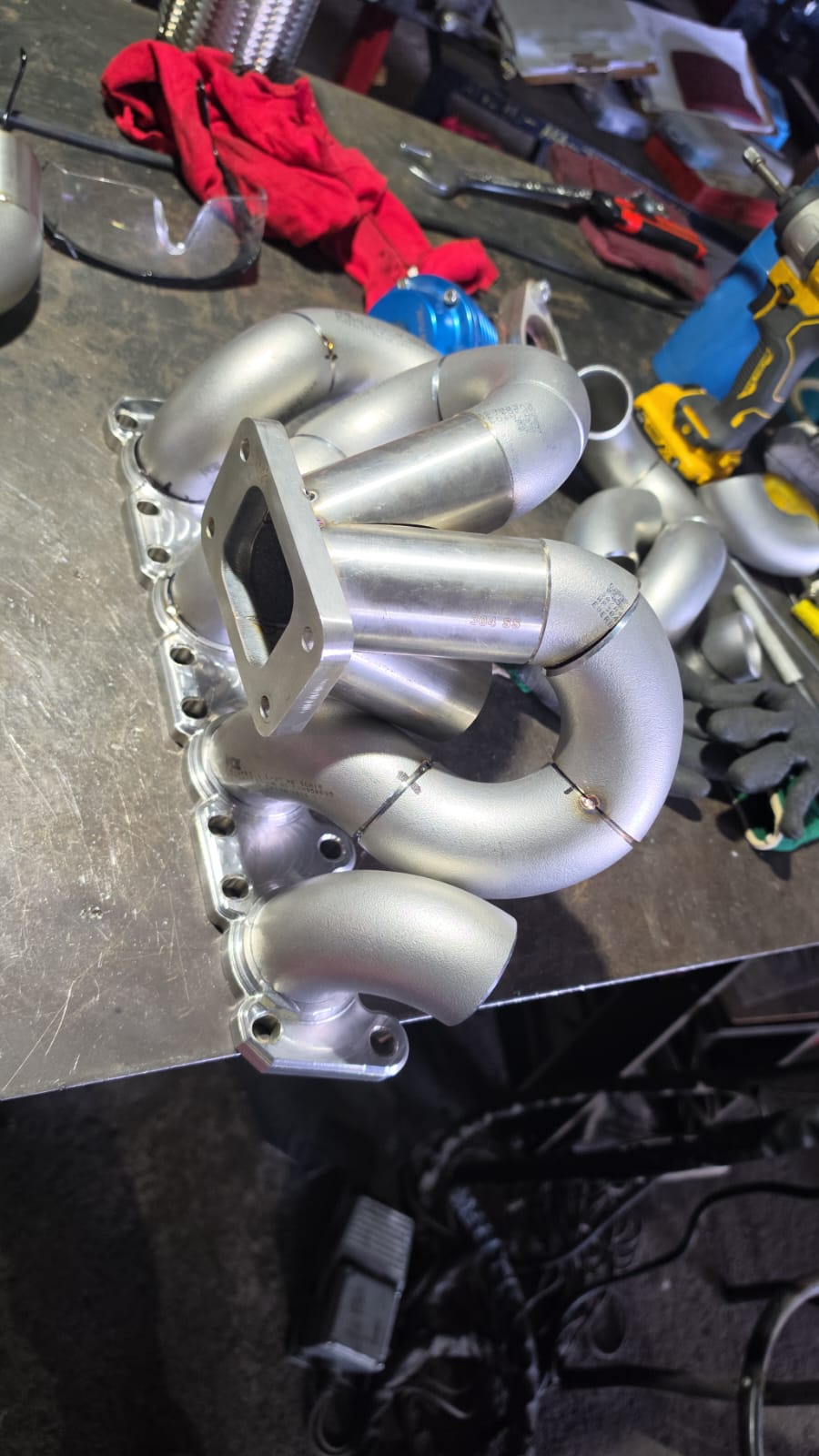
Each stage is set by the parts on the car, not by a number on a website. Here's what each step needs before we write the file.
Needs
Needs
Needs
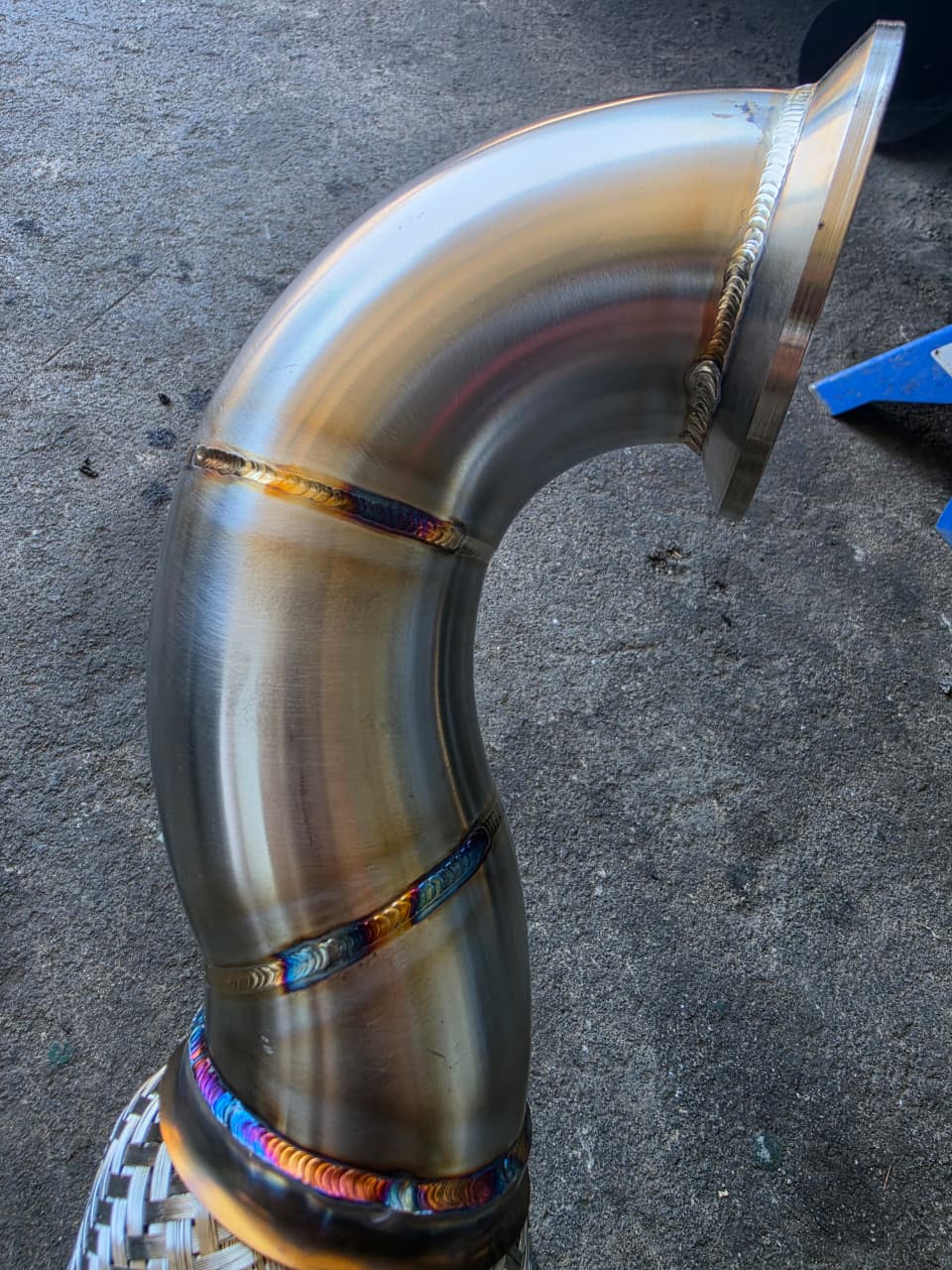
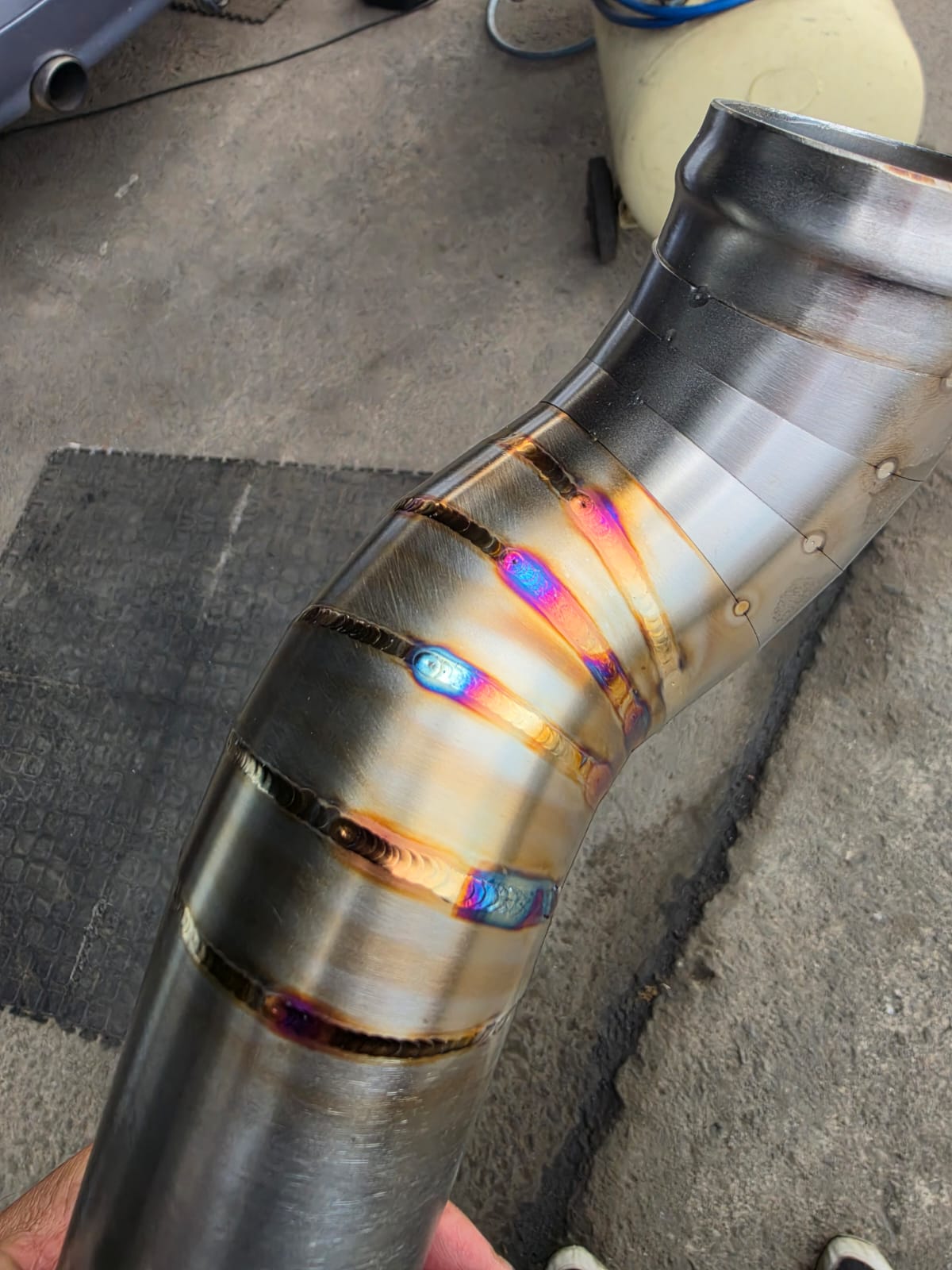
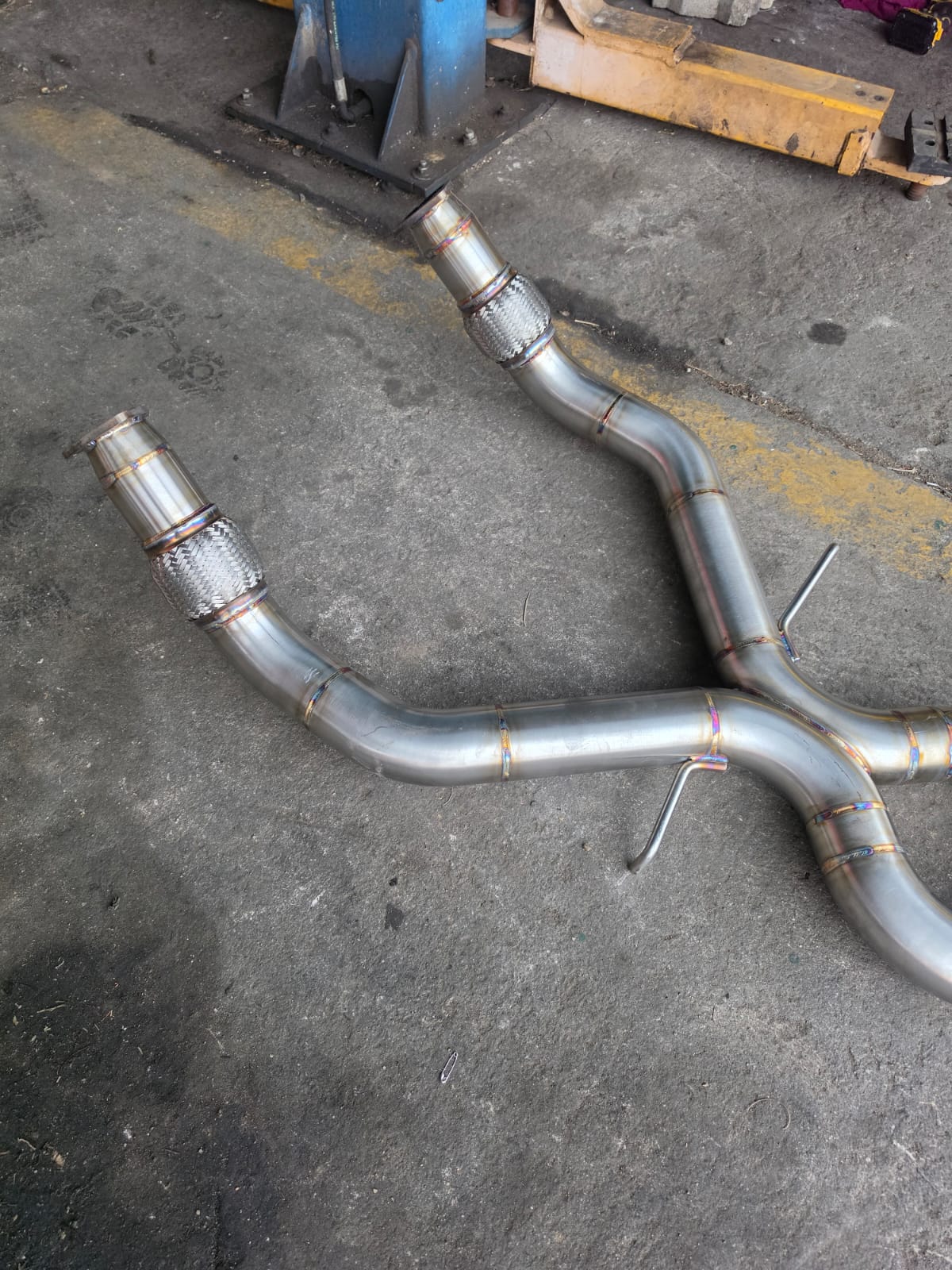
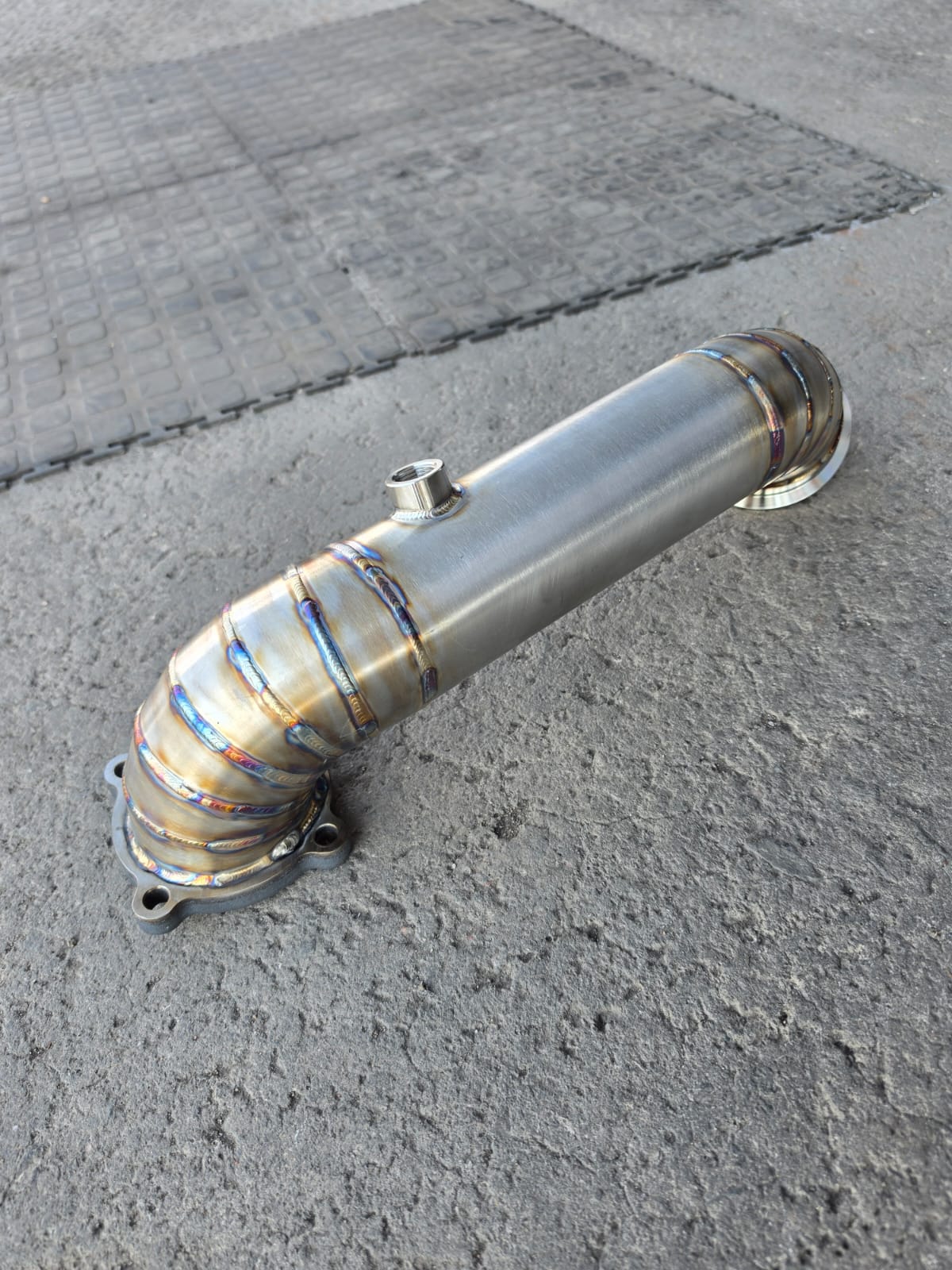
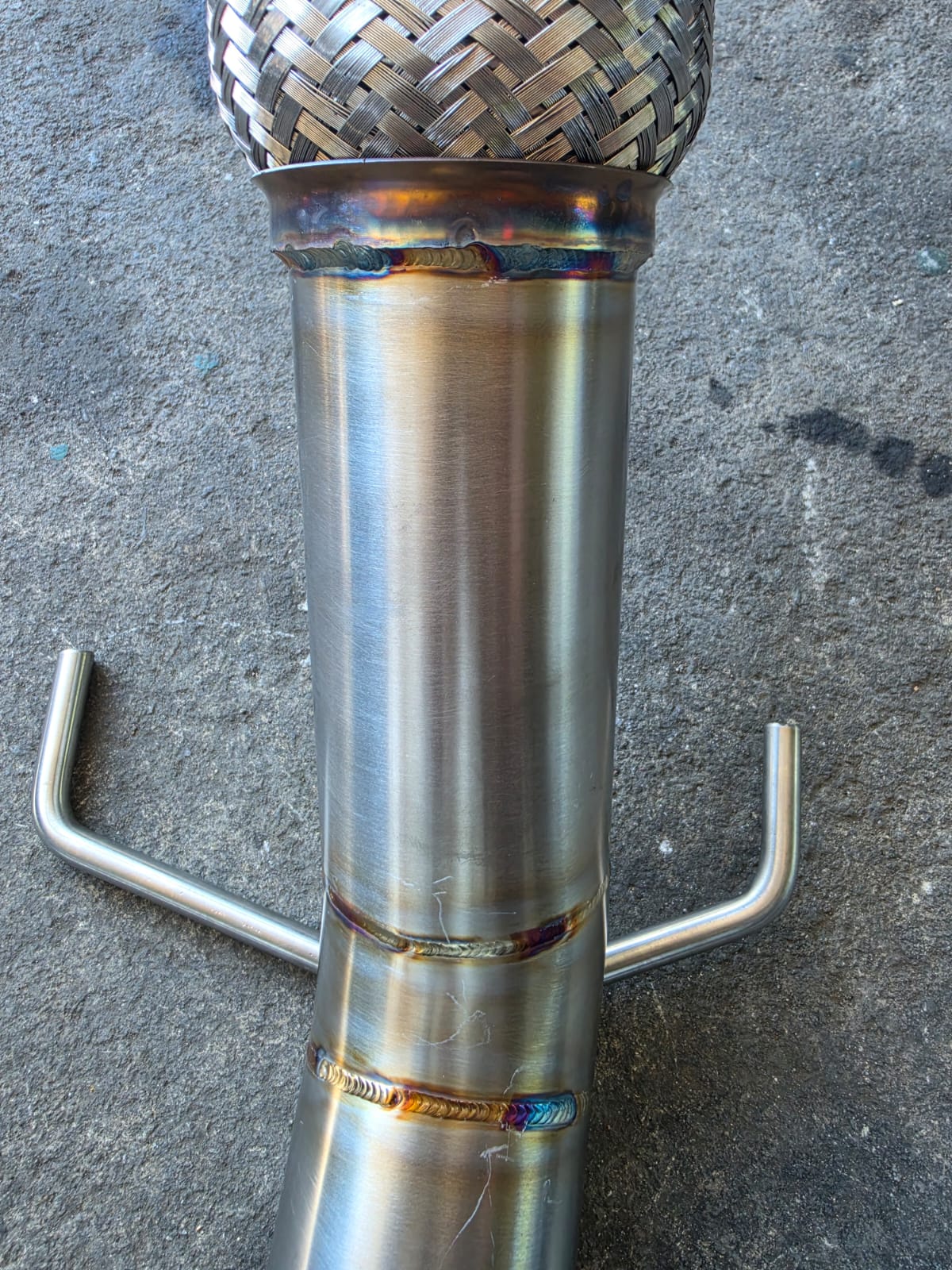
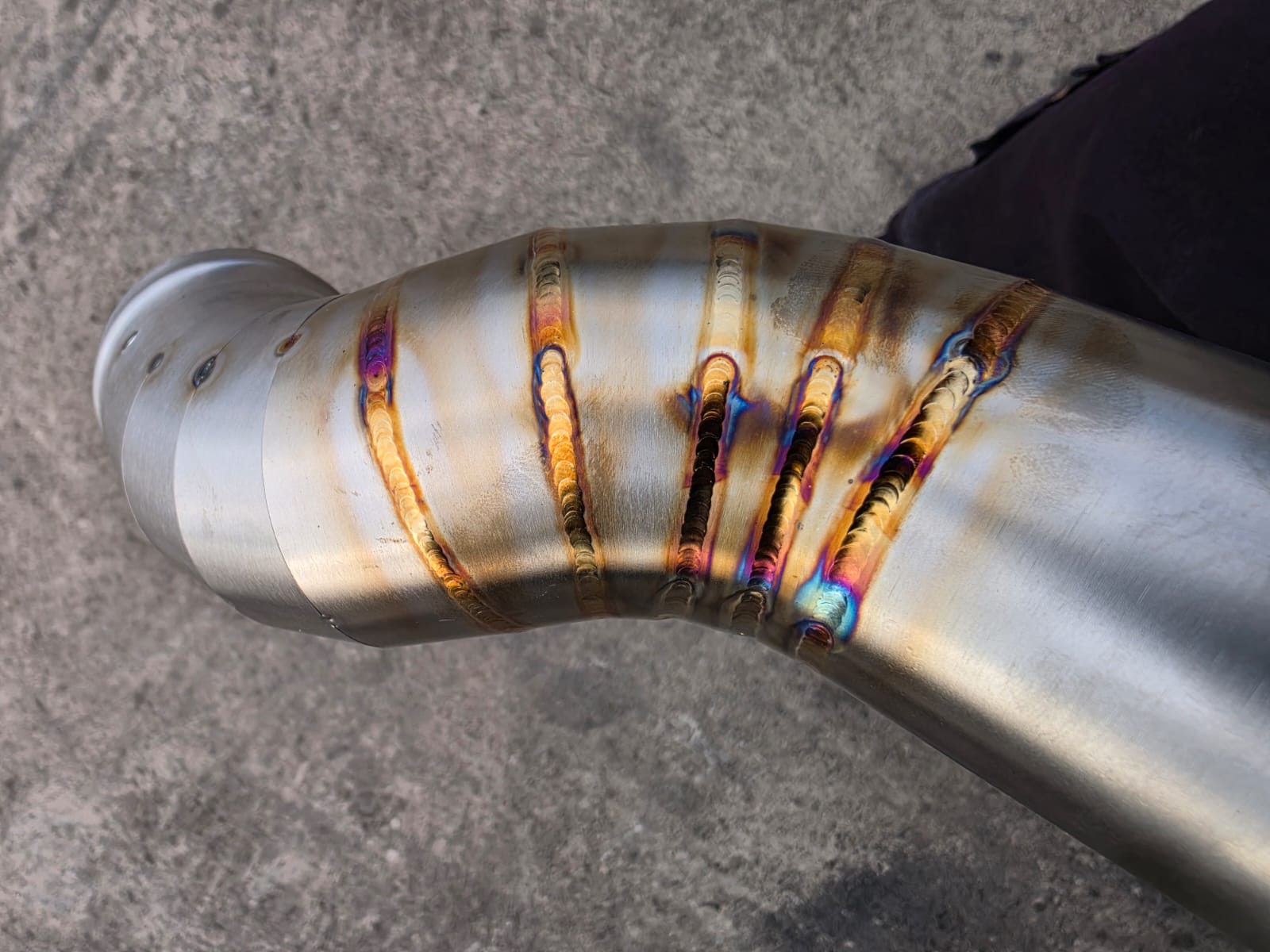
Stainless pipework TIG-welded in the workshop and fitted to the car it was measured on.
Make, model, year, petrol or diesel, and what's already fitted: downpipe, intake, intercooler, turbo, injectors.
Codes read, bay looked over. A misfire, boost leak or tired belt gets found before any parts or maps.
We say what the car needs first, what the job involves, and what fuel the map will want. No surprises later.
The job is done, checked and explained, with a note on when the car should be back for its next service.
Questions that come up before a service, a tune or a part. Ask anything else on WhatsApp.
Ask a questionMost of our maps are fine on 95. If yours needs a higher grade, we'll say so before the tune.
A custom intake sends more air into the engine. Throttle response is often quicker, and the difference is easier to feel once a tune or other parts are on the car.
A working gap is every 10,000–15,000 km. Shorten that if the car is tuned, driven hard, or used on track. Oil, fluids, and filters are the parts that get changed sooner on those cars.
A map adds torque. If the car is already storing a misfire, a boost leak or a dead sensor, more torque makes that worse. The scan finds it, we fix it, then the file goes on.
Yes. If you only want the part, say so. If you want the part and the map, say that too, because the file is written for the part that was fitted, not for a generic stage.
Usually a few days, not same-day. A downpipe or manifold is measured on the car, tacked, test-fitted and then welded out. We'll give you a time once we've seen the car.
Yes. Hilux, Ranger and D-Max are regulars, for services and for Stage 1 and economy maps. Private and fleet vehicles are both fine.
Send the make, model, year and the job. We'll come back with what it needs and when we can take it.